Balcony Vegetable Garden for Beginners: Growing Lettuce and Cherry Tomatoes
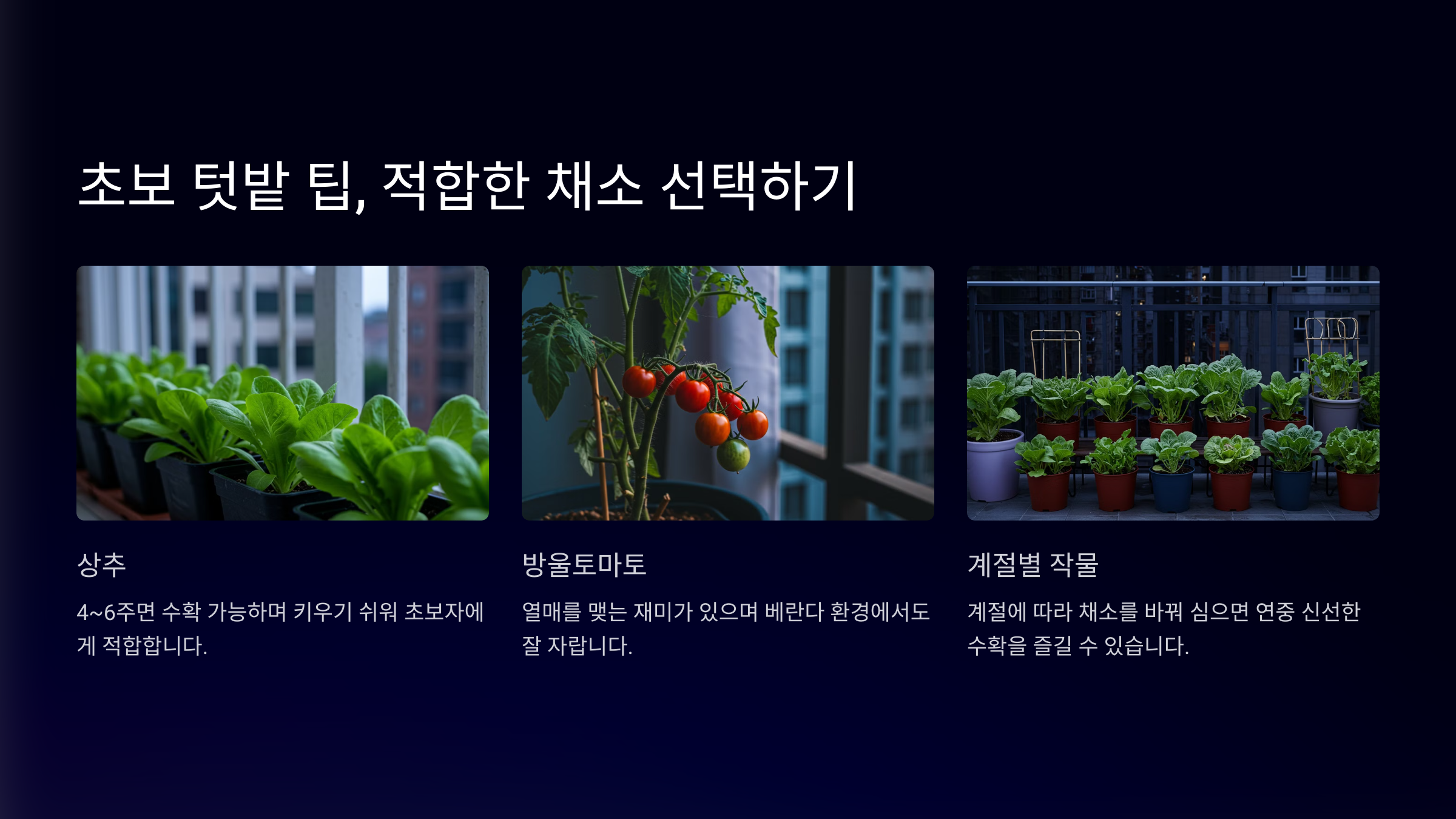
A balcony vegetable garden is one of the easiest ways to start growing your own food without needing a yard, a plot of land, or years of gardening experience. With just a few pots, some soil, and a sunny railing or windowsill, almost anyone can grow fresh lettuce leaves for salads or a handful of sweet cherry tomatoes to snack on. This guide walks through everything a beginner needs to know, from choosing a spot and picking containers to the simple watering habits that keep lettuce and cherry tomatoes healthy through the growing season.
Why Start a Balcony Vegetable Garden
Balcony gardening appeals to beginners for a simple reason: it removes most of the barriers that make traditional gardening feel intimidating. There’s no need to dig up soil, rent land, or invest in expensive equipment. A few containers, a bag of potting mix, and a bit of natural light are usually enough to get started. Growing your own lettuce and tomatoes can also make everyday cooking feel more rewarding, since you can pick leaves or fruit right before a meal instead of relying on store-bought produce that may have traveled a long way to reach your kitchen. (겨울철 실내에서 하는 10분 스트레칭 루틴과 올바른 자세, 매일 꾸준히 하는 홈 스트레칭 습관 만들기)
Beyond the practical side, tending a few plants on a balcony can be a calming daily habit. Checking on new leaves, noticing the first tiny green tomatoes, and adjusting watering based on the weather all encourage a closer relationship with how food actually grows. For beginners, lettuce and cherry tomatoes are especially good starting choices because they tend to be forgiving, grow relatively quickly, and don’t require large amounts of space compared to many other vegetables.
Choosing the Right Spot on Your Balcony
Before buying any containers or seeds, it helps to spend a day or two simply observing your balcony. Most leafy greens and fruiting vegetables need a good amount of direct or bright indirect light to grow well, so identifying the sunniest section of your balcony is the first real step in this guide.
Assessing Sunlight
Cherry tomatoes generally want as much direct sun as your balcony can offer, ideally a spot that receives sunlight for a large part of the day. Lettuce is a bit more flexible and can tolerate partial shade, especially in warmer weather when too much intense sun can cause it to wilt or turn bitter. If your balcony faces a direction that gets strong afternoon sun, that side is usually best reserved for tomatoes, while a spot with gentler morning light can work well for lettuce.
Checking Wind, Drainage, and Balcony Safety
High-rise balconies can experience strong gusts of wind, which may dry out soil faster than expected or even knock over lightweight pots. Placing containers against a wall or railing, and choosing pots that are wide and stable rather than tall and narrow, can help reduce this risk. Avoid setting pots on top of or outside the railing itself, since a fall could injure someone below. It’s also worth checking your building’s rules on balcony planters, confirming that the floor can handle water runoff, and making sure containers have drainage holes so excess water has somewhere to go without damaging the flooring underneath.
Picking Containers and Soil for Beginners
Container choice plays a bigger role in success than many beginners expect. Because balcony plants live in a limited volume of soil, the size and quality of that soil directly affects how well roots develop and how consistently moisture is retained.
Selecting the Right Pot Size
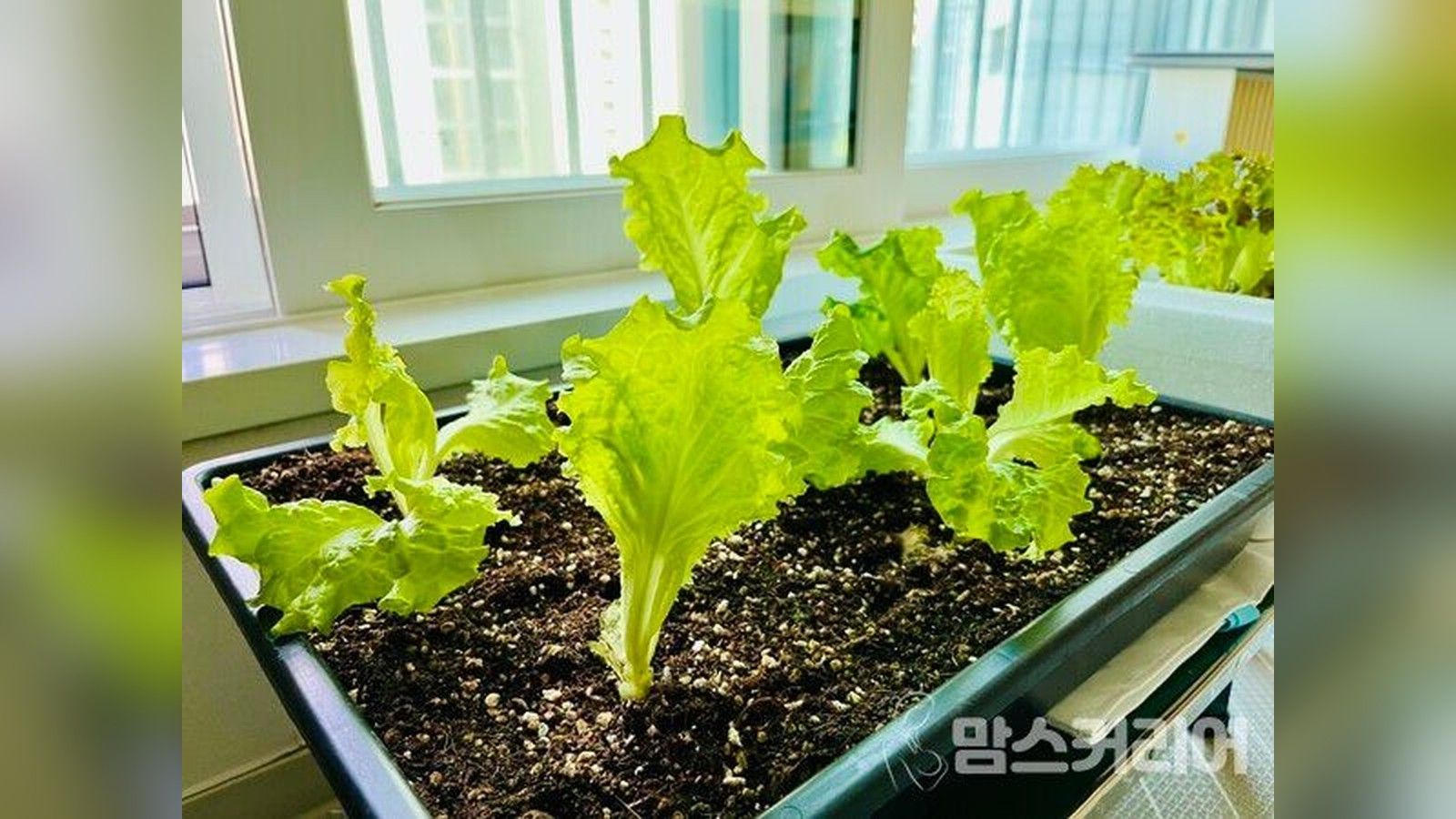
Lettuce has fairly shallow roots and can grow well in relatively shallow containers or even wide, low trays, which also makes it a good option for growing several plants close together. Cherry tomatoes, on the other hand, develop much deeper and more extensive root systems, so they generally do better in larger pots that can hold a substantial volume of soil. A cramped container tends to lead to smaller yields and plants that dry out quickly, so when in doubt, it’s usually better to choose a slightly larger pot than one that seems just barely big enough.
Choosing Potting Soil
A well-draining potting mix designed for container gardening is generally a better choice than garden soil dug from the ground, since garden soil can become compacted in pots and may not drain properly. Many beginner-friendly potting mixes already include some added nutrients, which can give young lettuce and tomato seedlings a helpful head start. Mixing in a bit of compost or an organic soil amendment can also improve moisture retention and provide a steadier nutrient supply as plants grow larger.
Growing Lettuce on a Balcony Step by Step
Lettuce is often recommended as one of the best vegetables for first-time gardeners because it grows quickly, tolerates a range of conditions, and can be harvested multiple times from the same plants if grown as a leaf variety.
Starting from Seed or Seedling
Beginners can choose between starting lettuce from seed or buying young seedlings from a garden center. Seeds are inexpensive and satisfying to grow from scratch, but seedlings offer a faster path to a full container of usable lettuce, which can be reassuring for a first attempt. If starting from seed, scattering seeds thinly across the soil surface and covering them lightly usually works better than planting them too deep, since lettuce seeds need some light exposure to germinate well.
Spacing and Growth
Because lettuce doesn’t need much depth, several plants can often be grown close together in the same wide container, as long as they have enough room for their leaves to spread without constantly overlapping. As seedlings grow, thinning out the weakest ones can give the remaining plants more space and light, which tends to result in fuller, healthier heads or leaf clusters.
Cutting Leaves Without Killing the Plant
One of the most beginner-friendly aspects of loose-leaf lettuce varieties is that outer leaves can be harvested individually while the center of the plant continues producing new growth. This means a single lettuce plant can supply multiple small harvests over its growing period rather than a single one-time cut, which makes it a particularly efficient choice for a small balcony space.
Growing Cherry Tomatoes on a Balcony Step by Step
Cherry tomatoes tend to require a bit more patience and support than lettuce, but they reward that effort with a steady supply of sweet, bite-sized fruit once established.
Starting Seedlings and Transplanting
Most beginners find it easier to start with young tomato seedlings rather than seeds, since seedlings shorten the waiting period before the plant is sturdy enough to handle outdoor balcony conditions. When transplanting a seedling into its permanent container, it can help to bury the stem slightly deeper than it originally sat, since tomato stems can develop additional roots along buried sections, which supports stronger overall growth.
Providing Support as the Plant Grows
As cherry tomato plants grow taller and begin producing clusters of fruit, they generally need some kind of support structure such as a stake or a small cage to keep stems from bending or breaking under the weight. Setting up this support early, rather than waiting until the plant is already sprawling, tends to be much easier and less disruptive to the root system.
Encouraging Flowering and Fruit Set
Cherry tomatoes need consistent light and a bit of airflow to encourage healthy flowering, which eventually turns into fruit. On an enclosed or very still balcony, gently shaking the plant’s stem occasionally can help distribute pollen between flowers, since a balcony may have less natural insect activity than an open garden.
Balcony Plant Watering Guide: How Much and How Often
Watering is often the single biggest factor that determines whether a balcony vegetable garden thrives or struggles, and it’s also one of the easiest things for beginners to get wrong in either direction.
How Often to Water Lettuce
Lettuce has shallow roots and prefers soil that stays consistently and evenly moist rather than alternating between soaked and completely dry. In practice, this usually means checking the soil surface regularly and watering whenever the top layer starts to feel dry to the touch, rather than following a fixed schedule. During warmer stretches of weather, lettuce in containers may need water more frequently since shallow soil dries out faster than deeper garden beds.
How Often to Water Cherry Tomatoes
Cherry tomatoes generally prefer a slightly different watering rhythm: allowing the top portion of the soil to dry out a bit between waterings, then watering thoroughly enough that moisture reaches the deeper roots. Overwatering tomatoes is a common beginner mistake and can stress the roots or lead to problems like fruit cracking, though the exact cause often involves a mix of factors such as uneven watering, weather swings, and variety. A helpful habit is to check the soil an inch or two below the surface before watering, adjusting the depth and timing based on your pot size and the weather; if it still feels moist, it’s usually fine to wait a bit longer.
Signs of Overwatering and Underwatering
Both lettuce and cherry tomatoes tend to show visible signs when their watering needs aren’t being met. Wilting, yellowing lower leaves, or soil that stays soggy for long periods can point to overwatering, while crispy leaf edges or soil pulling away from the sides of the pot usually signal underwatering. Temporary drooping in the midday heat isn’t always a sign of thirst, since plants can wilt briefly in high temperatures even when the soil is still moist, so it’s worth checking whether the leaves recover by evening and feeling the soil before adding water. Learning to read these small signals is often more useful for a beginner than memorizing an exact watering frequency, since balcony conditions like sun exposure and wind can vary so much from one home to another.
Best Time of Day to Water
Watering earlier in the day is generally considered better than watering in the evening, since it gives plant leaves time to dry out before nightfall, which can help reduce the risk of fungal issues. Morning watering also allows plants to take in moisture before the heat of the day increases evaporation, making the water use more efficient overall.
Common Problems and How to Fix Them
Even with careful attention, beginners are likely to run into a few common issues while growing lettuce and cherry tomatoes on a balcony. Recognizing these problems early can make them much easier to manage.
Bolting and Bitter Lettuce
When lettuce experiences prolonged heat or stress, it may begin to bolt, sending up a tall central stalk and producing flowers, after which the leaves often turn noticeably more bitter. Moving containers to a slightly shadier spot during unusually hot stretches, and keeping soil consistently moist, can help delay this process and extend the harvest window.
Blossom End Rot on Tomatoes
A common issue for balcony-grown cherry tomatoes is a dark, sunken patch appearing on the bottom of developing fruit. This is often linked to inconsistent watering, which can disrupt calcium uptake in the plant, though soil quality and temperature swings can play a role too. Maintaining a steady watering routine rather than letting the soil swing between very dry and very wet conditions can reduce how often this problem appears.
Pests on a Balcony
Balconies can offer somewhat less pest exposure than an open garden bed, though this varies a lot depending on the floor level, nearby greenery, and whether pests hitch a ride in on new seedlings. Small insects such as aphids can still appear, especially on tender new growth. Regularly checking the undersides of leaves and rinsing affected areas with a gentle spray of water is often enough to manage a minor infestation before it spreads further.
Harvesting and Enjoying Your Balcony Vegetables
Knowing when and how to harvest is just as important as the growing process itself, since picking too early or too late can affect both flavor and future yields.
When to Pick Lettuce
Loose-leaf lettuce can typically be harvested once the outer leaves reach a usable size, and picking these outer leaves first allows the inner leaves to keep developing. This approach lets a single plant provide several rounds of harvest rather than one large cut, which fits well with the smaller scale of a balcony garden.
When to Pick Cherry Tomatoes
Cherry tomatoes are usually ready to pick once they’ve reached their full color and feel slightly soft to a gentle touch, rather than firm and pale. Picking fruit as it ripens, instead of letting it sit on the vine, helps prevent cracking or spoilage and generally makes it easier to keep track of the plant’s overall health through the season.
Simple Seasonal Planning for a Balcony Vegetable Garden
Timing plays an important role in how well a balcony vegetable garden performs, and understanding the general seasonal needs of lettuce and cherry tomatoes can help beginners plan ahead. Lettuce tends to prefer cooler conditions and can struggle once temperatures climb into the height of summer, which is why many gardeners choose to plant it in spring or again later in the year as temperatures cool. Cherry tomatoes, in contrast, generally need warmer conditions to thrive and are usually planted once the weather has reliably warmed up, continuing to produce fruit through the warmer months.
If you’re reading this outside of the ideal planting window for your climate, it can still be useful to prepare in advance. Choosing containers, deciding on a balcony spot, and picking up potting soil ahead of time means everything is ready to go as soon as the right season arrives for your area, rather than scrambling to gather supplies once the weather is already favorable. Keeping a simple note of how your balcony’s light and wind conditions change across the year can also make future planting decisions much easier.
Starting small is one of the most useful pieces of advice for any beginner. Rather than filling an entire balcony with containers right away, trying just one or two pots of lettuce and a single cherry tomato plant in the first season can help build confidence and hands-on experience. Once the basics of watering, light, and spacing feel familiar, it becomes much easier to expand into a fuller balcony vegetable garden in the seasons that follow.
답글 남기기