Air Circulator for Indoor Humidity Control: A Beginner’s Guide
Spring is a strange in-between season indoors. One day the room feels chilly and dry, and a week later it feels sticky and heavy, even though the thermostat hasn’t changed much. A lot of that discomfort has less to do with the actual temperature and more to do with how the air is moving—or not moving—inside your home. This is exactly where an air circulator can make a noticeable difference, especially for people living in small apartments or studios where airflow tends to get trapped in corners and behind furniture.
This guide is written for beginners who have never used a circulator before and just want a practical, no-fuss way to keep their room comfortable as the weather shifts. You don’t need a big renovation or expensive equipment—just a better understanding of how air actually behaves indoors, and a few small habits you can start today.
Why Spring Weather Makes Indoor Air Feel Off
During spring, outdoor temperatures swing more than in summer or winter. Mornings can be cool enough to want a blanket, while afternoons can feel warm enough for short sleeves. Because of this swing, many households go through a period where they’re not quite ready to turn on the air conditioner but also don’t want to rely only on heating. The result is a room that sits in a kind of climate limbo, where warm air pools near the ceiling and cooler, damper air settles near the floor. (가을철 등산 초보자를 위한 준비물과 안전 수칙, 산행 후 간단한 스트레칭 방법)
At the same time, humidity tends to rise gradually as spring moves on, especially compared to the dry winter months. Rooms that were comfortable in February can start to feel stuffy by late spring, particularly in apartments with limited window space or in units facing north, where sunlight and natural airflow are more limited. Without ventilation or air movement, this humid, stagnant air can also contribute to a musty smell or a general feeling that the room needs airing out, even right after cleaning.
An air circulator addresses this by constantly mixing the air in a room, which can help even out temperature layers and reduce pockets of humid air settling in one spot. It’s a low-cost way to make a room feel fresher without changing the thermostat setting.

Circulator vs. Fan vs. Dehumidifier: What’s the Difference
Beginners often assume a circulator is just a fancier name for a fan, or that it does the same job as a dehumidifier. They’re related, but each device solves a different problem, and knowing the difference can save you money and frustration.
Air Circulator
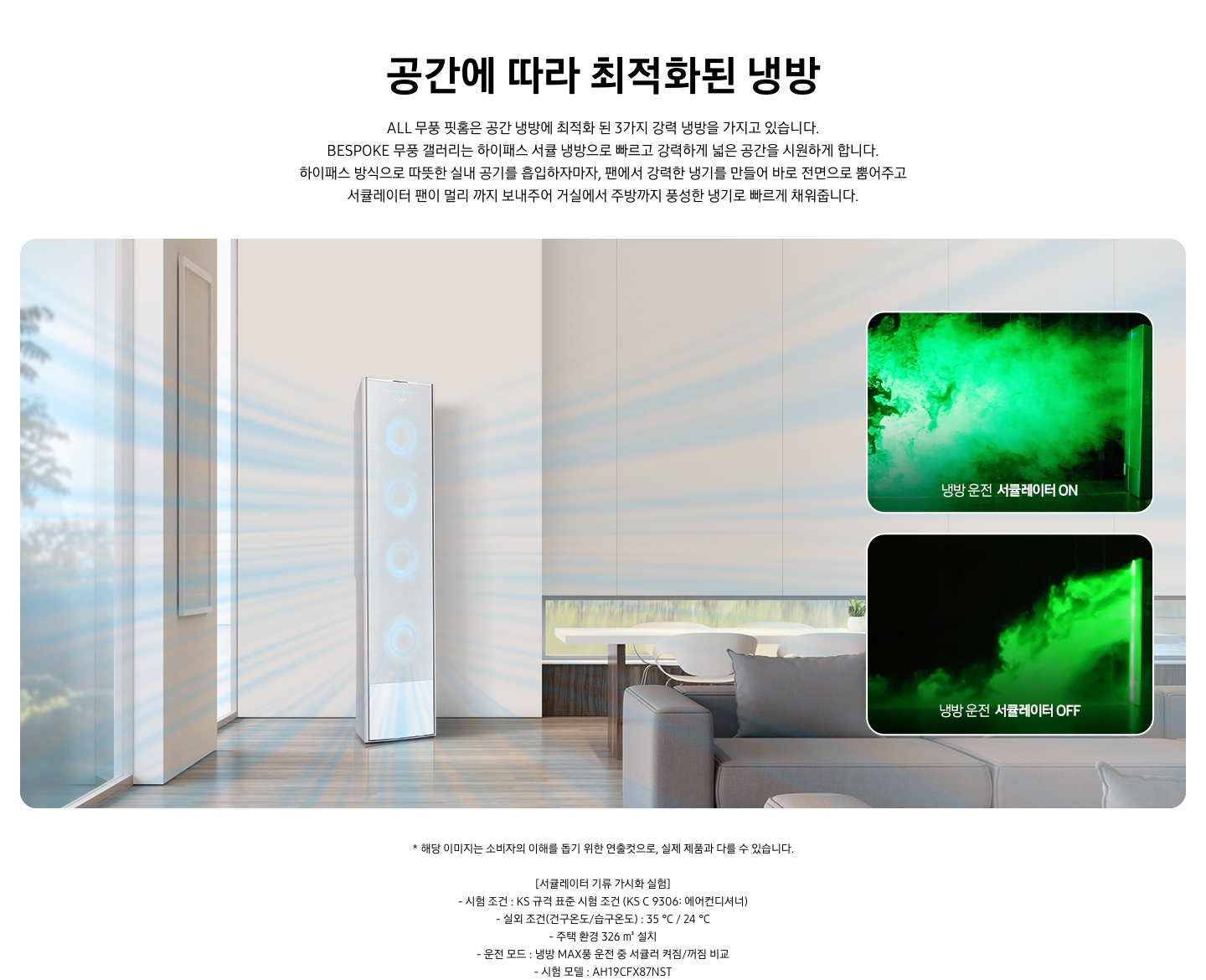
A circulator is designed to move air in a focused, straight line across a room, rather than spreading a wide breeze like a typical fan. Many models can also be angled upward or downward, which lets you push air toward the ceiling to break up warm air pockets, or push it along the floor to stir up cooler, damper air. The goal isn’t to blow air directly at a person—it’s to keep the whole room’s air continuously mixed.
Electric Fan
A standard fan is built to create a wide, direct breeze that cools your skin through airflow, which is great when you want to feel cooler quickly. However, it doesn’t necessarily move air efficiently to every corner of a room, so it does less to fix uneven temperature or humidity distribution on its own.
Dehumidifier
A dehumidifier actively removes moisture from the air, which is useful once humidity is already high, such as during the rainy season. A circulator doesn’t remove moisture—it just moves air around—so on its own it won’t lower humidity. A circulator becomes more useful when it’s paired with a dehumidifier, since it can help distribute the drier air the dehumidifier produces throughout the room, instead of only the area right next to the machine.
In short: a fan cools you, a dehumidifier dries the air, and a circulator helps whatever temperature or humidity level you’ve created spread more evenly instead of staying stuck in one part of the room.
Where to Place an Air Circulator in a Small Apartment
Placement matters more than most beginners expect. Because a circulator works by creating a steady air current, where you point it changes how effectively it mixes the room.
Living Room or Studio Layout
In an open studio or one-room apartment, it can help to place the circulator diagonally across from the main seating or sleeping area, angled slightly upward. This sends air toward the ceiling, where it spreads out and falls back down more evenly, rather than blowing directly and continuously on one spot, which can feel unpleasant over long periods.
Bedroom Placement
In a bedroom, many people prefer to place the circulator near the door or a corner rather than right beside the bed, and let it run at a lower setting angled toward the ceiling. This keeps the air moving without creating a constant direct draft while you sleep, which some people find uncomfortable or drying to the skin and eyes.
Rooms with Limited Airflow
If your apartment has a room that tends to feel more humid or stuffy than the rest—often a north-facing room, a room with only one small window, or a room near the bathroom—placing a circulator at the doorway pointed into that room can help pull in fresher air from the rest of the home. This is a simple way to even out humidity differences between rooms without needing a separate device for every space.
Using a Circulator Together with Windows and Ventilation
One of the most effective and least expensive habits is combining a circulator with natural ventilation. On days when the outdoor air isn’t too humid, opening a window for a short period while running the circulator can exchange stale indoor air for fresher outdoor air faster than opening the window alone.
A helpful approach is to open two points of airflow if possible—such as a window and a front door, or two windows on opposite sides of the home—and place the circulator so it pushes air from one opening toward the other. This creates a through-breeze effect, moving humid or stale air out rather than just stirring it in place. In apartments where only one window can be opened, angling the circulator toward that window while it’s open, and leaving another gap such as a door slightly ajar, can help air actually exchange rather than just recirculate.
Check outdoor conditions before doing this. On days with high outdoor humidity, heavy pollen, or reported poor air quality, it’s often better to keep windows closed and rely on the circulator combined with a dehumidifier or air purifier instead, rather than ventilating with outdoor air that could make indoor conditions worse. An air purifier does not replace ventilation or a dehumidifier, but it can help with airborne particles once windows are closed.
Pairing a Circulator with a Dehumidifier or Humidifier
As mentioned earlier, a circulator doesn’t change humidity by itself, but it becomes more useful when paired with a device that does. This pairing is especially helpful for apartments where humidity tends to build up unevenly, such as rooms with poor sunlight or homes near a river or low-lying area.
With a Dehumidifier
Running a circulator near a dehumidifier—positioned so it helps move air across the room rather than blocking the unit’s intake or output—can help the drier air the machine produces reach the room faster, rather than staying concentrated near the unit. Always follow the clearance distances and placement guidance in your dehumidifier’s manual, since blocking its intake or outlet can reduce its performance.
With a Humidifier
On unusually dry spring days, especially right after a cold front passes through, a humidifier might be needed instead. In that case, a circulator set to a gentle, indirect angle can help spread the added moisture more evenly, which may reduce the chance of one corner of the room becoming noticeably more humid than another.
Without Any Additional Device
If you don’t own a dehumidifier or humidifier yet, a circulator alone combined with regular window ventilation is still a reasonable starting point. It won’t actively correct humidity levels, but it can help keep air from feeling stagnant, which is often what makes a slightly humid room feel more uncomfortable than the numbers alone would suggest.
A Simple Daily Routine for Balanced Temperature and Humidity
Consistency tends to matter more than intensity when it comes to indoor comfort. Rather than running a circulator at full power for a short burst, many people find it more comfortable to keep it on a low or medium setting for longer stretches throughout the day.
A simple routine could look like this: in the morning, open a window briefly while running the circulator to clear out overnight stuffiness, then close the window and let the circulator continue on a low setting while you get ready. During the day, if no one is home, check your circulator’s manual for guidance on unattended or continuous operation before deciding whether to leave it running. In the evening, especially before sleeping, a lower setting angled away from the bed can keep air moving without disturbing sleep.
It can also help to get into the habit of checking how a room actually feels rather than relying only on a thermostat reading. A room can register a comfortable temperature on a display while still feeling clammy or stale, and that’s often a sign that air movement, not temperature, is the real issue.
Common Beginner Mistakes to Avoid
There are a few habits that reduce how well a circulator works, and beginners tend to run into them without realizing it.
Pointing It Directly at a Person for Long Periods
Sitting directly in front of a circulator for hours can feel refreshing at first but may lead to dry eyes, a dry throat, or general discomfort for some people over time. Angling it toward the ceiling or a wall so the air circulates around the room, rather than aiming it like a personal fan, tends to be more comfortable for extended use.
Placing It Too Close to a Wall or Furniture
If the circulator is pushed right up against a wall, sofa, or bookshelf, its airflow gets blocked before it can circulate properly. Leaving open space around the device, especially in front of it, allows the air current to travel across the room instead of bouncing back immediately.
Forgetting to Clean the Unit
Dust builds up on the blades and grille over time, and a dusty circulator can end up blowing that dust back into the room. Wiping down the front grille and blades regularly, following the manufacturer’s cleaning instructions, keeps the airflow cleaner.
Using It as a Substitute for Ventilation
A circulator moves the air that’s already in the room—it doesn’t bring in fresh outdoor air on its own. Relying on it exclusively, without ever opening a window or door, means stale air and rising humidity can still build up over time, even with the circulator running constantly.
Quick Checklist Before the Humid Season Arrives
As spring moves toward the more humid months ahead, it can help to prepare a few habits and checks in advance rather than scrambling once a room already feels uncomfortable.
- Check that your circulator’s grille and blades are clean before increasing daily use.
- Identify the room in your home that tends to feel the most humid or stuffy, and plan your circulator placement around that room first.
- Decide whether a dehumidifier is worth adding this year, based on how humid your home typically gets by early summer.
- Build a habit of short morning ventilation paired with circulator use, rather than keeping windows closed all day.
- Pay attention to how your room feels, not just what the thermostat says, and adjust circulator angle and speed based on comfort.
None of these steps require new furniture or a major purchase. They’re small, repeatable habits that, together, can make a noticeable difference in how a home feels day to day. An air circulator isn’t a dramatic fix on its own, but as part of a simple daily routine—alongside sensible ventilation and, when needed, a dehumidifier or humidifier—it can quietly support a small apartment feeling fresher and more comfortable as the seasons shift.





 별빛 가득한 밤하늘 감상 명소> 여행기사 | 야간관광 밤밤곡곡:대한민국 구석구석


