Autumn Seasonal Change Cold Prevention: Daily Habits and Indoor Ventilation Tips
As summer fades and the air turns crisp, many people notice they catch colds more easily around this time of year. This guide walks through practical, everyday steps for cold prevention during the autumn transition, with a special focus on indoor ventilation, since most of us spend far more time indoors once the weather cools down.
Why Seasonal Transitions May Make You More Vulnerable to Colds
During the shift from summer to autumn, daily temperature swings can be dramatic — warm afternoons followed by chilly mornings and evenings. This constant back-and-forth may place extra strain on the body, and drier air as the season progresses can leave the mucous membranes in the nose and throat feeling less comfortable. These membranes act as part of the body’s natural defenses, so keeping them from drying out is generally considered a good habit. (가을철 등산 초보자를 위한 준비물과 안전 수칙, 산행 후 간단한 스트레칭 방법)
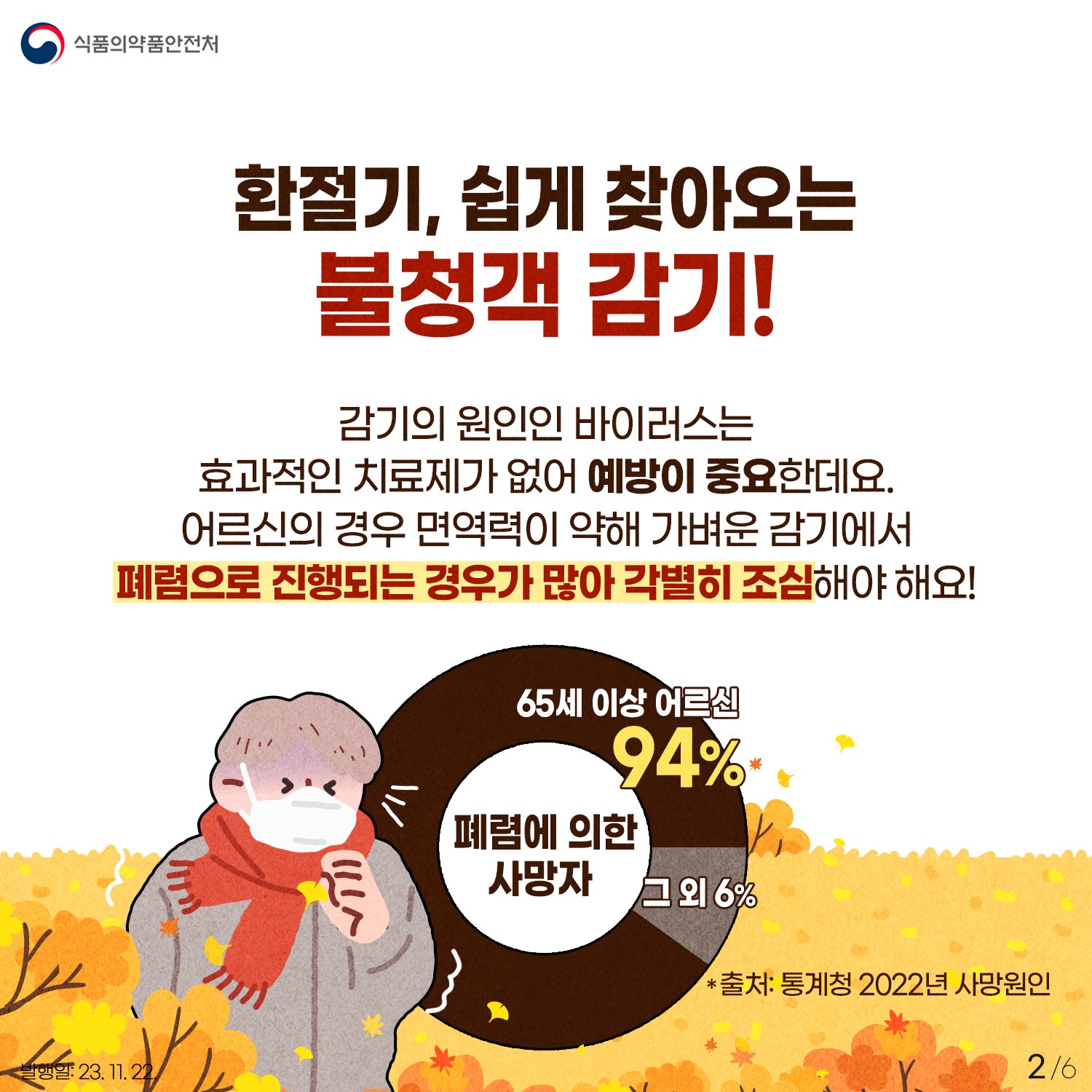
There’s also a behavioral factor: as it gets colder, people naturally spend more time indoors with windows closed, which means less fresh air circulation. This combination of temperature swings, drier air, and reduced ventilation is often mentioned as a reason colds and other respiratory complaints tend to rise as the seasons change. Keeping this in mind is a useful starting point for building simple daily habits, rather than only reacting once symptoms appear.
Building a Daily Routine That Supports Your Wellbeing
There’s no single habit that guarantees you won’t catch a cold, but a combination of small, consistent routines can help you feel more resilient through the season. Consistency tends to matter more than intensity — habits you can actually stick with throughout autumn are more useful than occasional big efforts.
Morning and Evening Habits Worth Keeping
Starting the day with a warm drink, such as water or herbal tea, can help ease the transition from a warm bed to a cooler room. It’s also worth keeping a light layer nearby for early mornings, since chilly mornings are a common time to feel underdressed. In the evening, washing your hands and face after coming home, and changing out of outdoor clothes, can help reduce the amount of dust, pollen, and everyday germs you bring into your living space. (Balcony Vegetable Garden for Beginners: Growing Lettuce and Cherry Tomatoes)
Handwashing deserves special mention here. It’s one of the simplest and most widely recommended habits for reducing exposure to germs, especially after using public transportation, touching shared surfaces, or being in crowded places. Keeping hand sanitizer on hand for situations where soap and water aren’t available can also help.
Nutrition and Hydration During the Autumn Transition
As the air gets drier, it can be easier to become mildly dehydrated without noticing, since you may not feel as thirsty as you do in summer heat. Drinking water consistently throughout the day, rather than waiting until you feel thirsty, is a simple habit that supports overall comfort. Seasonal produce like pears, sweet potatoes, and pumpkin are widely available in autumn and can be an easy way to add vitamins and fiber to your meals. Warm soups and stews are also a comforting way to stay hydrated while getting extra nutrients as the weather cools.
It’s worth being mindful of alcohol intake in particular, since it can have a noticeable dehydrating effect. Balancing it with plenty of water can help offset that.
Sleep and Rest as a Foundation for Feeling Well
Sleep is often the first thing to suffer when schedules get busy, but it’s widely considered one of the more important factors in how well the body handles seasonal changes. Going to bed and waking up at roughly the same time each day, even on weekends, can help stabilize your daily rhythm. As nights grow cooler, adjusting your bedding — adding a light blanket or switching to warmer pajamas — can help you sleep more comfortably. A cool but not cold bedroom, generally kept comfortable rather than overheated, tends to support better sleep quality than a stuffy, overly warm room.
Smart Indoor Ventilation Tips for Autumn
Once temperatures drop, it’s tempting to keep windows shut all day to conserve warmth. However, closing up your home completely for long stretches can allow indoor air to become stale, and moisture and airborne particles can build up over time. Good ventilation habits don’t have to mean sacrificing comfort — with a bit of planning, you can keep your home both warm and fresh.
When and How Often to Air Out Your Home
A helpful general approach is to ventilate briefly but regularly, rather than leaving windows open for long periods, adjusting the frequency based on how many people are in the space and whether you’ve just cooked or showered. Before opening windows, it’s worth checking local outdoor air quality reports, especially on days with high pollution or dust levels. Opening windows on opposite sides of a room or home, even briefly, creates a cross breeze that clears out stale air faster than opening just one window.
Kitchens and bathrooms deserve extra attention, since cooking and showering both add moisture and odors to the air. Running an exhaust fan or briefly opening a window afterward can help prevent that moisture from spreading throughout the home.
Balancing Warmth and Fresh Air
One common concern is that ventilating during cold weather will make the house uncomfortably cold or waste heating energy. A practical compromise is to turn off or lower the heating briefly while airing out a room, then turn it back on once the windows are closed again. Because the ventilation period is short, the room typically warms back up quickly. Ventilating right after waking up and right before bed, when you’re less likely to be sitting still in that room anyway, can also minimize the discomfort.
Managing Indoor Humidity as Temperatures Drop
As outdoor air gets drier in autumn, indoor air — especially in heated rooms — can become even drier still. Very dry indoor air can leave the throat and nasal passages feeling irritated. Using a humidifier, especially in bedrooms at night, can help maintain a more comfortable moisture level. If you don’t have a humidifier, hanging damp towels in the room is a simple alternative, though its effect is modest; take care with any water source near heaters or electrical outlets to avoid spills or safety hazards.
At the same time, it’s worth being careful not to overdo it — excessive humidity can encourage mold and dust mites, which bring their own concerns. Keeping indoor humidity at a comfortable, moderate level, rather than extremely high or low, is generally the goal. Regularly cleaning humidifiers is also important, since stagnant water inside these devices can harbor bacteria if left unclean for extended periods.
Dressing in Layers for Unpredictable Weather
Autumn weather can shift quickly within a single day, so dressing in layers is one of the most practical strategies for staying comfortable. Starting with a breathable base layer, adding a light sweater or cardigan, and carrying a jacket you can put on or take off as needed allows you to adjust quickly to changing conditions. A scarf, long sleeves, or extra socks can add a comfortable layer of warmth around the neck, wrists, and ankles on especially cold days.
This is especially relevant for anyone commuting early in the morning or staying out late in the evening, when temperature drops are most pronounced. Keeping a light jacket in your bag, even on days that start out warm, can help you avoid getting caught off guard by an evening chill.
Small Daily Habits That Can Add Up
Beyond ventilation and layering, a handful of smaller habits can support your overall wellbeing over the course of the season. Wearing a mask in crowded indoor spaces, such as public transportation or busy shops, is one option some people use to reduce exposure to airborne germs, particularly during periods when respiratory illnesses are circulating more widely. Covering your mouth and nose with your elbow rather than your hands when coughing or sneezing helps limit the spread of germs to surfaces you’ll touch later.
Light physical activity, even something as simple as a daily walk, can support overall circulation and general wellbeing during the transition into cooler weather. Regularly cleaning frequently touched surfaces — doorknobs, light switches, phone screens — is another easy habit that may help reduce germ buildup at home. This doesn’t need to be a deep clean; a quick wipe-down every so often is a reasonable habit to build into your routine.
Listening to Your Body: When to Rest vs When to Push Through
Even with good prevention habits, it’s normal to occasionally feel run down as the weather changes. Learning to notice early signs — a scratchy throat, unusual fatigue, or a slight headache — can help you respond early. In many cases, getting extra rest, staying hydrated, and easing off intense physical activity for a day or two can support your body while it manages these symptoms.
Pushing through fatigue with a packed schedule, skipping meals, or continuing intense exercise while feeling unwell can sometimes make you feel worse. It’s worth building some flexibility into your schedule during the autumn transition so you can rest when your body signals that it needs it.
When to see a doctor: If you experience a high fever, difficulty breathing, chest pain, signs of significant dehydration, or symptoms that worsen or last longer than usual, it’s a good idea to consult a healthcare professional rather than relying on home care alone.
Quick Checklist for a Healthier Autumn
- Air out your home regularly, adjusting frequency to your household and check outdoor air quality first.
- Use a cross breeze by opening windows on opposite sides of a room when possible.
- Keep indoor humidity at a comfortable, moderate level, especially in bedrooms.
- Dress in layers and carry a light jacket for sudden temperature drops.
- Drink water consistently throughout the day, even if you don’t feel thirsty.
- Wash your hands regularly, especially after being in crowded places.
- Prioritize consistent sleep and adjust bedding as nights get cooler.
- Rest at the first sign of fatigue or a sore throat, and see a doctor if symptoms are severe or persistent.
None of these habits require special equipment or a big lifestyle overhaul. What tends to matter most is consistency — keeping up small routines throughout the entire autumn season rather than trying a burst of effort for a few days. By paying attention to both your indoor environment, like ventilation and humidity, and how you care for your body day to day, you can support your overall wellbeing as the seasons shift.
답글 남기기